
FOGO stands for Food Organics and Garden Organics.
Glenorchy City Council provides a fortnightly FOGO kerbside collection service.
Your bin
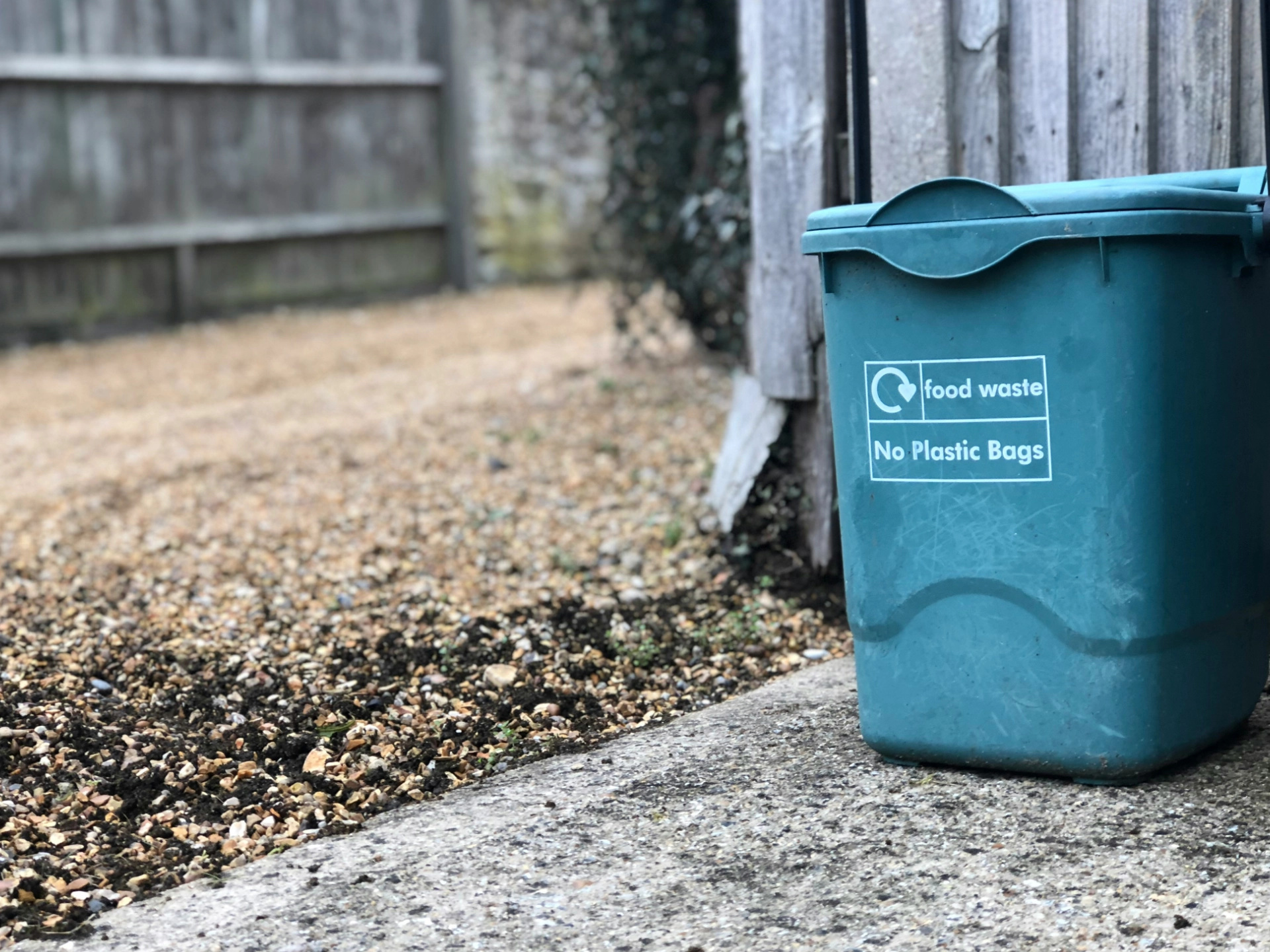
FOGO bins have a lime green lid. The standard size is 23 litres or 45 litres.
A kitchen caddy is also provided to collect food scraps inside your home. Line the caddy with a compostable liner and empty it into the larger FOGO bin when full.
Find your collection day using tool below by typing your unit and/or street number in first followed by your street name.
What goes in the FOGO bin
You can put in the FOGO bin:
- Food scraps – vegetables, seafood (including all seafood shells e.g oyster, crayfish), dairy, meat and bones (cooked or raw), teabags (but not the pyramid-type teabags), coffee grounds and egg shells, small amounts of oils and fats
- Garden waste – grass clippings, leaves, bark, twigs, plants and weeds (including diseased and noxious weeds as FOGO is processed at high temperatures)
- Shredded paper – paper towels, paper napkins, tissues, cotton wool balls (if 100% cotton) and cotton buds with wooden sticks
- Food -contaminated or food soiled cardboard (e.g. pizza boxes with food on them)
- Personal cuttings – hair from hairbrushes or haircuts, and nail clippings
- Animal waste – such as pet hair, poo, organic / natural kitty litter and soiled paper from bird cages
What does NOT go in the FOGO bin
Do not put these in your FOGO bin:
- Nappies
- Fabric (e.g. clothing)
- Dryer lint (this is because it will contain man-made fibres such as nylon or polyester)
- Vacuum bag contents
- Hard waste or broken household items, like furniture or plates and cups
- Plastic take away containers
- Hazardous waste, like asbestos
- Thick branches
- Anything that is currently allowed to go in your recycling bin
FOGO bins which are overflowing, weigh more than 70kg and/or which contain any of the unacceptable material listed above will not be collected.
What happens to FOGO waste?
FOGO is taken to a composting facility where it is turned into compost for use in agriculture and landscaping. This significantly reduces the amount of waste going to landfill.
Unsure what something on this page means? Check out Our Glossary.